Key Takeaways
- Dogs can experience panic attacks that cause intense fear, stress, and physical reactions similar to anxiety episodes in humans.
- Common signs of panic in dogs include shaking, pacing, panting, hiding, barking, destructive behavior, and clinginess.
- Loud noises, separation anxiety, traumatic experiences, and sudden environmental changes are common triggers for panic attacks in dogs.
- Creating a calm environment, maintaining consistent routines, and providing regular exercise can help reduce anxiety levels over time.
- Positive reinforcement training and gradual socialization can improve confidence and help anxious dogs feel safer.
- Severe or frequent panic attacks should be evaluated by a veterinarian to rule out medical issues and discuss treatment options.
- Patience, consistency, and compassionate care are important when helping dogs manage fear and anxiety.
Many dog owners notice their pets acting nervous during thunderstorms, fireworks, vet visits, or when left alone at home. Some dogs pace, shake, bark nonstop, or try to hide. Others may suddenly become destructive or overly clingy. These behaviors can be alarming, especially when they happen suddenly or seem extreme.
This leads many pet owners to ask an important question: can dogs have panic attacks?
The short answer is yes. Dogs can experience intense fear and anxiety that closely resembles panic attacks in humans. While dogs may not understand emotions exactly the same way people do, they can absolutely experience overwhelming stress responses that affect both their behavior and physical health.
Understanding the signs of panic attacks in dogs can help owners respond quickly, reduce stress, and improve their pet’s overall well-being. In this article, we will explore what panic attacks in dogs look like, common triggers, treatment options, and ways to help anxious pets feel safer and calmer.
What Is a Panic Attack in Dogs?
A panic attack in dogs is an intense episode of fear or anxiety that causes sudden physical and emotional reactions. These episodes may happen because of a specific trigger or appear unexpectedly.
During a panic episode, the dog’s body enters a “fight or flight” response. Stress hormones increase, heart rate rises, and the dog becomes highly alert or frightened.
Some dogs experience mild anxiety occasionally, while others may suffer from severe panic that interferes with daily life.
Panic attacks can affect dogs of:
- Any breed
- Any age
- Any size
- Any background
However, some dogs may be more sensitive due to genetics, past trauma, poor socialization, or health conditions.
Common Signs of Panic Attacks in Dogs
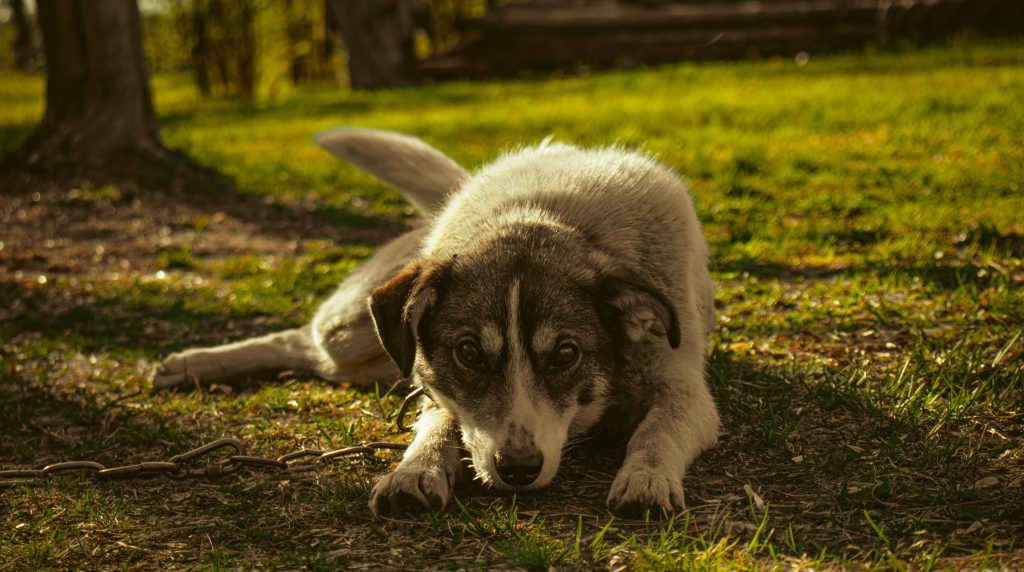
Dogs cannot verbally explain their feelings, so owners must watch for behavioral and physical signs.
Some symptoms may appear mild at first but become more severe during stressful situations.
Shaking or Trembling
Many anxious dogs shake during panic episodes. Trembling may happen throughout the body or mainly in the legs.
This is especially common during:
- Thunderstorms
- Fireworks
- Loud noises
- Vet visits
Pacing
Dogs experiencing panic may pace repeatedly around the house or room.
They may:
- Walk in circles
- Move restlessly
- Struggle to settle down
- Constantly change locations
Excessive Panting
Panting is normal after exercise, but anxious dogs may pant heavily even while resting.
Stress panting often happens alongside:
- Wide eyes
- Restlessness
- Drooling
- Trembling
Hiding
Some dogs hide when frightened.
They may crawl under:
- Beds
- Tables
- Blankets
- Furniture
Hiding is a coping mechanism that helps dogs feel protected.
Barking or Whining
Vocalization often increases during panic attacks.
Dogs may:
- Bark excessively
- Cry
- Whine
- Howl
This behavior may continue until the stressful event ends.
Destructive Behavior
Anxious dogs sometimes destroy objects while trying to escape or release stress.
Common examples include:
- Scratching doors
- Chewing furniture
- Digging
- Breaking crates
This is especially common in dogs with separation anxiety.
Increased Clinginess
Some dogs become extremely attached to their owners during panic episodes.
They may:
- Follow you constantly
- Refuse to leave your side
- Paw at you repeatedly
- Demand comfort
Accidents Indoors
Stress can sometimes cause dogs to urinate or defecate indoors, even if they are house-trained.
This is not bad behavior. It is often part of the body’s stress response.
Loss of Appetite
Severe anxiety may reduce appetite temporarily.
Some dogs refuse:
- Treats
- Meals
- Water
Ongoing appetite loss should always be discussed with a veterinarian.
Common Causes of Panic Attacks in Dogs
Different dogs react to different triggers. Identifying the cause can help owners manage anxiety more effectively.
Loud Noises
Noise sensitivity is one of the most common causes of panic in dogs.
Triggers include:
- Thunderstorms
- Fireworks
- Construction sounds
- Sirens
- Loud appliances
Dogs have sensitive hearing, so sounds that seem manageable to humans may feel overwhelming to them.
Separation Anxiety
Some dogs panic when left alone.
Separation anxiety can develop because of:
- Changes in routine
- Rehoming
- Lack of independence training
- Previous abandonment
These dogs may panic as soon as their owner prepares to leave.
Traumatic Experiences
Dogs with a history of abuse, neglect, or frightening experiences may develop long-term anxiety.
Rescue dogs sometimes need extra patience while adjusting to new environments.
Changes in Environment
Major life changes can increase stress levels.
Examples include:
- Moving homes
- New pets
- New family members
- Renovations
- Boarding stays
Even positive changes can feel overwhelming for sensitive dogs.
Medical Conditions
Sometimes anxiety-like symptoms are linked to underlying health issues.
Pain, neurological problems, hormonal disorders, or cognitive decline in older dogs can affect behavior.
Always rule out medical causes before assuming anxiety is purely behavioral.
How Panic Attacks Differ From General Anxiety
General anxiety may involve mild nervousness or occasional stress.
Panic attacks are usually:
- More intense
- Sudden
- Physically overwhelming
- Difficult for the dog to control
A dog with mild anxiety may recover quickly after reassurance, while a dog having a panic attack may remain distressed for a long time.
What to Do During a Dog Panic Attack
Seeing a dog panic can feel heartbreaking, but staying calm is important.
Dogs often react to their owner’s emotions. Panicking yourself may increase their stress.
Stay Calm and Speak Softly
Use a calm voice and relaxed body language.
Avoid:
- Yelling
- Punishment
- Sudden movements
Gentle reassurance may help some dogs feel safer.
Create a Safe Space
Many anxious dogs benefit from a quiet, secure area.
A safe space may include:
- Blankets
- Favorite toys
- Dim lighting
- Soft music
Some dogs prefer covered crates or small enclosed areas during stressful events.
Reduce Noise and Stimulation
Close:
- Windows
- Curtains
- Doors
Turning on white noise or calming music may help block loud sounds.
Avoid Forcing Interaction
Some dogs want comfort, while others prefer space.
Do not force physical contact if the dog seems overwhelmed.
Watch their body language carefully.
Remove Triggers When Possible
If possible, reduce exposure to whatever is causing the panic.
For example:
- Move indoors during fireworks
- Use noise-reducing curtains
- Keep distance from stressful environments
Long-Term Ways to Help Anxious Dogs
Helping anxious dogs usually requires consistency and patience.
Establish Predictable Routines
Dogs feel safer when daily life is predictable.
Healthy routines for pet owners can greatly reduce anxiety in dogs because pets learn what to expect each day.
Try to keep:
- Feeding times consistent
- Walk schedules regular
- Bedtimes predictable
- Exercise routines stable
Routine helps create a sense of security.
Provide Daily Exercise
Exercise helps reduce stress hormones and release energy.
Physical activity may include:
- Walks
- Fetch
- Swimming
- Tug games
- Agility activities
Mental stimulation is also important.
Puzzle toys, training games, and scent work can help anxious dogs stay mentally engaged.
Use Positive Reinforcement Training
Reward-based training helps build confidence.
Praise and treats encourage calm behavior and strengthen trust between dogs and owners.
Avoid punishment-based methods, which may increase fear and anxiety.
Try Calming Products
Some dogs benefit from calming aids such as:
- Anxiety wraps
- Pheromone diffusers
- Calming treats
- Orthopedic beds
- White noise machines
Results vary between dogs, but these products may help reduce stress levels.
Socialization Matters
Gradual exposure to different environments, people, and sounds can improve confidence over time.
However, socialization should happen slowly and positively.
Overwhelming anxious dogs can worsen fear.
When to See a Veterinarian
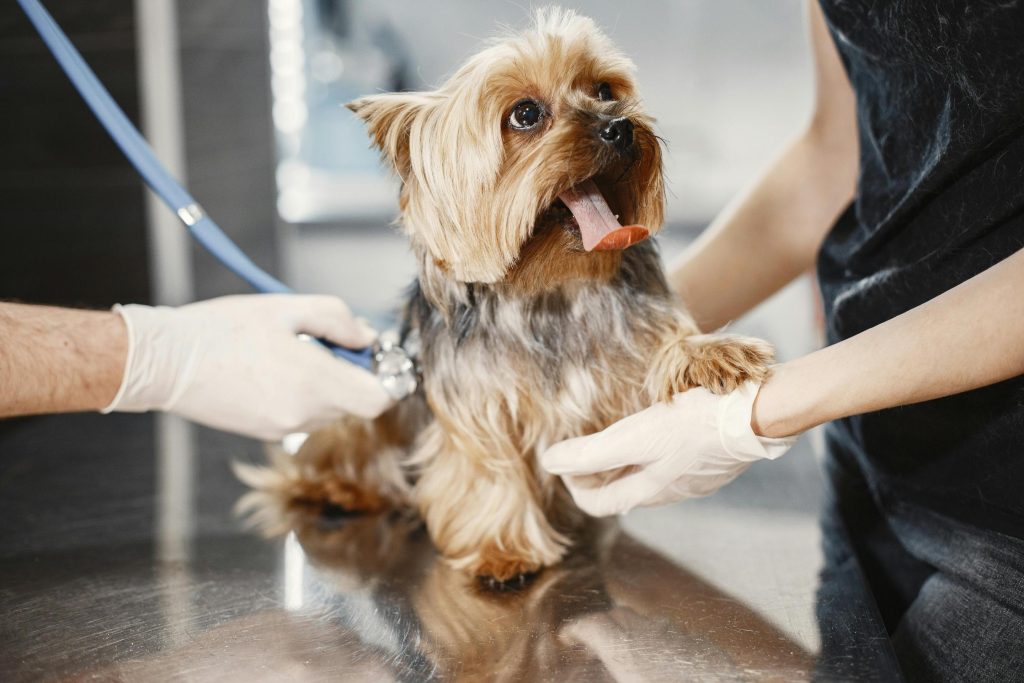
Occasional nervousness is normal, but severe anxiety should be professionally evaluated.
Contact a veterinarian if your dog:
- Injures themselves during panic
- Stops eating
- Has worsening symptoms
- Shows sudden behavior changes
- Experiences frequent panic episodes
A veterinarian may recommend:
- Medical testing
- Behavioral therapy
- Prescription medication
- Referral to a veterinary behaviorist
Can Medication Help?
For some dogs, medication can improve quality of life.
Anti-anxiety medications may help dogs:
- Stay calmer
- Recover faster from stress
- Learn better during training
Medication is usually most effective when combined with behavioral support and environmental changes.
Never give human anxiety medication to dogs without veterinary guidance.
How to Prevent Future Panic Episodes
Preventing panic attacks often involves reducing triggers and building confidence gradually.
Prevention Tips
- Keep routines stable
- Provide enough exercise
- Avoid overstimulation
- Create safe resting areas
- Practice positive training
- Introduce new experiences slowly
Consistency matters more than quick fixes.
Understanding Breed Differences
Some breeds may naturally be more sensitive or reactive than others.
Dogs bred for guarding, herding, or high alertness may respond more strongly to certain situations.
However, every dog is different. Personality, experiences, training, and environment all influence anxiety levels.
Senior Dogs and Anxiety
Older dogs sometimes develop anxiety later in life.
Possible reasons include:
- Hearing loss
- Vision changes
- Cognitive decline
- Chronic pain
Senior dogs may need additional comfort and veterinary support.
The Importance of Patience
Anxiety recovery takes time.
Some dogs improve quickly, while others need ongoing management.
Learning how to care for dogs with anxiety means understanding that progress may happen slowly. Patience, consistency, and compassion are often the most important tools owners can provide.
Avoid expecting instant changes.
Small improvements still matter.
Helping Dogs During Storms and Fireworks
Storms and fireworks are major anxiety triggers for many dogs.
Helpful Strategies
- Exercise dogs earlier in the day
- Create indoor safe spaces
- Close curtains and windows
- Play calming background noise
- Stay home if possible
- Offer distraction toys
Preparing ahead of time can reduce stress significantly.
Can Puppies Have Panic Attacks?
Yes, puppies can also experience panic and anxiety.
Young dogs may become frightened by:
- New environments
- Loud sounds
- Separation
- Unfamiliar people
Early socialization and positive experiences are very important during puppy development.
Final Thoughts
Dogs can absolutely experience panic attacks, and the signs can range from mild nervousness to intense fear and physical distress. Understanding these symptoms helps owners respond with patience, support, and proper care.
Panic attacks are not signs of bad behavior or stubbornness. They are emotional and physical stress responses that deserve attention and compassion.
By recognizing triggers, creating calming routines, providing training and exercise, and seeking veterinary help when needed, owners can help anxious dogs feel safer and more secure.
Every dog is different, and recovery may take time, but supportive care can make a major difference in a dog’s comfort, confidence, and overall quality of life.