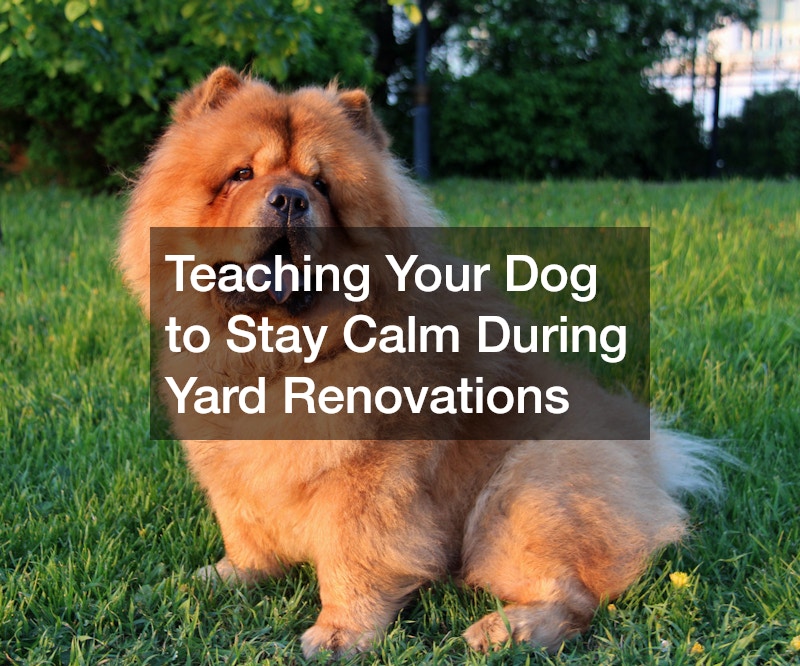
A yard renovation can turn your dog’s familiar territory into a confusing maze of noise, strangers, and strange equipment overnight. Dogs rely on routine and predictable surroundings, so construction crews, power tools, and shifting landscapes can trigger real stress, barking, or even escape attempts. The good news is that with some planning and a few practical adjustments, you can keep your dog calm, safe, and comfortable while your outdoor space gets a much-needed makeover. This guide walks through the specific steps to prepare your dog, your yard, and your household for a smoother renovation process.
Set Up a Safe Zone Before Work Begins
Before any equipment arrives, designate a quiet, enclosed space inside your home where your dog can retreat during the noisiest parts of the project. This should be far from windows facing the work area and stocked with familiar bedding, water, and a few favorite toys. Consistency matters here, so try to use the same room every day so your dog builds a positive association with it as their safe haven.
If your renovation includes temporary fencing or barriers around the work zone, consider removable pool fencing as a flexible option to block your dog’s access without committing to permanent structures. This type of barrier is easy to install and reposition as different phases of the project move around the yard, which keeps your dog a safe distance from tools, trenches, and materials.
- Choose a room away from the loudest construction activity
- Keep the space stocked with water, bedding, and toys
- Use consistent daily timing so your dog knows when to expect quiet time
- Consider a temporary barrier to physically separate work zones from pet areas
Introduce Construction Sounds Gradually
Sudden loud noises like jackhammers, saws, or heavy machinery can startle even the calmest dogs. Weeks before the renovation starts, try playing recordings of construction sounds at a low volume during meals or playtime to help your dog build tolerance. Gradually increasing the volume over several sessions can desensitize your dog so the real noise feels less alarming when it arrives.
Pairing these sounds with positive experiences, like treats or a favorite game, reinforces the idea that the noise isn’t a threat. This process takes patience, but dogs that receive this kind of gradual exposure tend to adjust to active job sites much faster than dogs who are suddenly thrust into chaos without warning.
Coordinate Schedules With Your Contractors
Communicating with the professionals working on your property can make a significant difference in how smoothly things go for your dog. If you’re planning retaining wall installation or other major structural work, ask the crew for a rough daily schedule so you know when the loudest or most disruptive activity will happen. This allows you to plan walks, feeding times, or quiet-room sessions around the noisiest windows instead of being caught off guard.
It also helps to ask contractors to keep gates closed and equipment secured at the end of each workday. A quick daily check-in about what’s planned next can prevent surprises and give you time to adjust your dog’s routine accordingly.
- Request a general timeline for noisy phases of work
- Ask crews to secure gates and tools overnight
- Share a contact number in case your dog escapes or reacts unexpectedly
- Confirm which areas of the yard are off-limits each day
Choose Pet-Friendly Materials and Layouts
The materials used in your renovation can directly affect your dog’s comfort and safety long after the project wraps up. When selecting landscaping materials, look for options that are non-toxic, free of sharp edges, and comfortable for paws in both hot and cold weather. Mulch made from cocoa shells, for example, can be harmful if ingested, so it’s worth researching safer alternatives before crews begin spreading anything across the yard.
Ground cover choices matter just as much as mulch. Pea gravel and smooth river rock tend to be gentler on paws than crushed granite or lava rock, which can develop sharp edges over time. Rubber mulch is another option, though it should be checked for quality since cheaper varieties can shred and be swallowed. If you’re considering artificial turf, choose a pet-specific product with proper drainage so it doesn’t trap odors or bacteria.
Temperature is another factor worth planning around. Dark-colored pavers, concrete, and synthetic turf can heat up significantly on sunny days, sometimes reaching 30-40 degrees hotter than the surrounding air, which makes them uncomfortable or even dangerous for paw pads. Lighter-colored stone or natural grass paths near high-traffic areas can help keep walking surfaces cooler.
Finally, think about layout alongside materials. Leaving wide, obstacle-free paths between planting beds and fences gives your dog room to move without brushing against thorny shrubs, chemically treated wood, or wet concrete edges. Rounded corners and gently sloped transitions between surfaces also reduce the risk of trips or scrapes as your dog explores the finished yard.
Many homeowners work with landscape designers who can factor pet behavior into the overall plan from the start. This might mean avoiding toxic plants like azaleas, sago palms, or lilies, which can cause serious illness if chewed, and choosing dog-safe alternatives such as sunflowers or snapdragons instead. Durable pathways made from pavers, decomposed granite, or mulch also hold up better to digging, running, and sharp turns than delicate ground cover.
Layout matters just as much as plant selection. Designers can create designated digging zones filled with sand or loose soil to redirect that instinct away from garden beds, and can plan sightlines so your dog can still see the house or a favorite window while outside. Fencing materials and gate placement deserve attention too, since some dogs are escape artists that test weak spots during construction.
Bringing up your dog’s habits, energy level, and any anxiety triggers early in the design conversation ensures the finished yard is functional for your family and safe for your pet. Sharing details like breed tendencies, chewing habits, or reactions to loud equipment helps the designer anticipate problems before they become expensive fixes.
- Ask about non-toxic mulch and ground cover options, such as cedar or pine mulch instead of cocoa mulch, which contains theobromine and is toxic to dogs
- Request smooth, paw-friendly walkway surfaces like textured concrete or smooth pavers, avoiding sharp gravel or hot asphalt that can burn paw pads
- Avoid plants known to be toxic to dogs, including sago palm, azaleas, tulips, and lilies, and ask your landscaper for a full plant list before installation
- Discuss drainage solutions that won’t create standing water hazards, since stagnant water can attract mosquitoes and breed bacteria like Leptospira
- Consider dog-friendly grass alternatives, such as clover or fine fescue blends, which tolerate digging and traffic better than delicate sod
- Request fencing gaps and gate latches be checked for spacing that won’t trap paws or allow small dogs to squeeze through
Manage Tree Work and Debris Safely
Large-scale yard renovations often involve removing dead or overgrown trees, which can be one of the more disruptive parts of the process. Tree removal companies typically bring heavy machinery like chippers and cranes, so it’s important to keep your dog fully separated from these areas until the work is complete and debris is cleared. Falling branches, wood chips, and loud chainsaws are all hazards that warrant extra caution.
If your project only requires trimming rather than full removal, hiring a local tree trimming company for scheduled maintenance can still generate noise and foot traffic that unsettles your dog. Either way, plan to keep pets indoors or in a fenced-off section of the yard whenever crews are actively cutting or hauling branches.
- Keep dogs indoors during active cutting or chipping
- Clear fallen branches and debris promptly to avoid injury
- Confirm work hours in advance so you can plan around them
- Watch for wood chips or splinters that could hurt paws afterward
Recognize Signs of Stress in Your Dog
Dogs communicate anxiety in subtle ways long before they start barking or trying to escape. Watch for pacing, excessive panting, tucked tails, or reluctance to eat, as these are early indicators that the renovation noise or activity is overwhelming them. Catching these signs early gives you a chance to intervene before stress escalates into more serious behavioral issues.
Some dogs also show stress through destructive chewing, house soiling, or hiding in unusual places around the home. If you notice these behaviors persisting for more than a few days despite your calming efforts, it may be worth consulting a professional trainer or behaviorist who specializes in situational anxiety.
- Watch for pacing, panting, or drooling outside of exercise
- Note changes in appetite or sleep patterns
- Look for hiding, trembling, or excessive vocalization
- Track how long symptoms persist to determine if help is needed
Prepare for Injuries and Emergencies
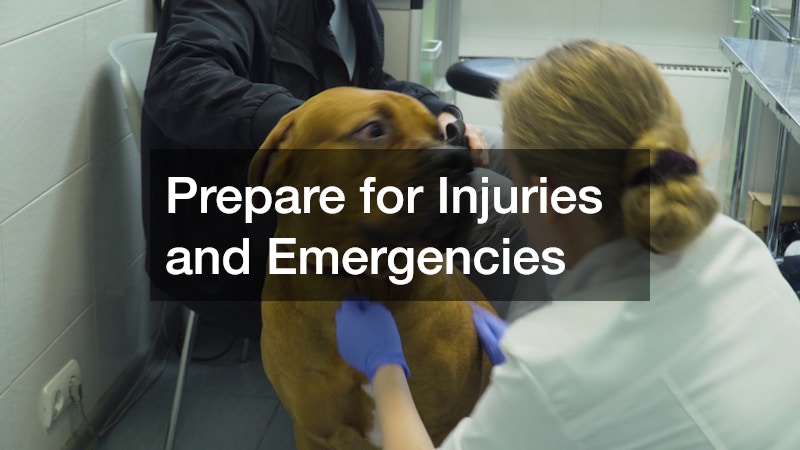
Construction zones introduce new hazards like exposed nails, loose wiring, or unstable ground, so it’s smart to have a plan in place before anything goes wrong. Know the location and hours of nearby emergency veterinarians so you’re not scrambling to find help if your dog steps on debris or ingests something toxic during the renovation. Keeping this information posted somewhere visible, like on the fridge, ensures anyone in the household can act quickly.
Routine checkups with your regular veterinary services provider are also worth scheduling before the renovation begins, especially if your dog has anxiety-related health conditions that could flare up under stress. Your vet can offer specific guidance on calming aids or supplements that might help your dog get through a particularly disruptive phase of construction.
- Save the nearest emergency animal hospital’s contact information
- Keep a basic pet first aid kit accessible during the project
- Schedule a pre-renovation checkup if your dog has existing anxiety
- Ask your vet about safe calming aids for construction-related stress
Restore Outdoor Comfort After the Work Is Done
Once the renovation wraps up, transitioning your dog back to full use of the yard should happen gradually rather than all at once. Walk the space yourself first to check for leftover nails, wire, or debris that crews might have missed during cleanup. A slow, supervised reintroduction helps your dog adjust to new surfaces, structures, or plantings without becoming overwhelmed.
For families wanting a durable, low-maintenance ground cover that holds up to heavy use, a pet turf service can install synthetic grass designed specifically to handle digging, bathroom habits, and rough play. This type of surface often drains well and resists the wear and tear that comes with an active dog, making the transition back to yard time much easier for everyone.
- Inspect the entire yard for leftover debris before letting your dog roam free
- Reintroduce your dog to the space in short, supervised sessions
- Consider durable turf options for high-traffic or high-activity areas
- Check fencing and gate latches to confirm they’re secure before unsupervised time outside
- Reward calm exploration with treats or praise to build positive associations
Maintain Long-Term Calm With Ongoing Care
Keeping your yard in good shape after the renovation helps prevent future stress spikes tied to unexpected maintenance work. Partnering with reliable tree care companies for periodic checkups can catch problems like weak limbs or root damage before they require another disruptive emergency intervention. Staying ahead of these issues means fewer surprise construction days in the future.
Establishing a regular yard maintenance routine also gives your dog a stable, predictable environment to enjoy for years to come. Simple habits like consistent mowing schedules, prompt debris removal, and periodic safety checks all contribute to a space your dog can trust and relax in.
- Schedule periodic tree health inspections to avoid emergency work
- Keep walkways and play areas clear of loose materials
- Maintain consistent yard care routines your dog can predict
- Address minor issues before they require major repairs
Yard renovations don’t have to mean weeks of stress for you or your dog. With a thoughtful safe space, gradual noise exposure, clear communication with contractors, and a plan for emergencies, most dogs adapt far better than owners expect. Take these steps one at a time, starting with the quiet room and noise desensitization before the crews even arrive, and you’ll set your dog up for a much calmer experience from start to finish.