
Owning a dog is a rewarding experience that brings joy, companionship, and unconditional love into a home. Dogs offer emotional support, encourage active lifestyles, and create a bond that is difficult to replicate with any other pet. Ensuring that your furry friend is happy and healthy requires attention to physical health, mental stimulation, socialization, and safety.
Providing an environment where a dog can thrive involves understanding their needs at every stage of life. From playful puppies to senior dogs, proper care can prevent behavioral problems, reduce stress, and improve overall well-being. Establishing routines, offering enriching activities, and working with trusted professionals helps create a balanced and fulfilling life for your pet.
By combining proactive care, training, and social opportunities, owners can cultivate a strong, lasting bond with their dogs while promoting a long, healthy life. This guide will explore ten essential areas of dog care that every pet owner should consider.
Socialization and Play Opportunities

Encouraging Early Social Experiences
Dogs that are properly socialized from a young age tend to be more confident and well-adjusted. Positive interactions with other dogs and people help prevent fear-based behaviors and promote friendly, balanced temperaments.
Attending puppy training classes introduces young dogs to controlled environments where they learn social cues while building trust and confidence.
Structured Playtime
Providing structured playtime allows dogs to burn off energy and practice healthy interactions. Supervised activities also help prevent destructive behavior caused by boredom or anxiety.
Professional dog obedience training programs often incorporate structured play sessions, reinforcing commands and encouraging cooperation.
Opportunities in Daycare Settings
Enrolling dogs in a local doggy daycare allows for social play under professional supervision. Daycare environments expose dogs to new experiences and help them develop social skills while preventing loneliness.
Regular interaction in these settings contributes to a happy and well-adjusted pet.
Mental Stimulation Through Activities
Activities such as puzzle toys, scent games, and supervised play sessions provide mental stimulation essential for cognitive development.
Combining mental exercises with socialization helps reduce anxiety, boredom, and behavioral challenges.
Physical Health and Exercise
Regular Exercise Routines
Daily exercise is crucial for maintaining a dog’s physical health. Activities like walking, running, or interactive play keep dogs fit and prevent obesity-related health problems.
Dog swimming pools offer a low-impact exercise alternative, especially beneficial for dogs with joint issues or older pets needing gentle activity.
Strengthening Muscles and Joints
Regular physical activity helps build muscle, maintain flexibility, and strengthen joints. Proper exercise reduces the risk of injuries and supports long-term mobility.
Swimming, agility courses, and structured play sessions provide a balanced workout for dogs of all ages.
Promoting Cardiovascular Health
Aerobic exercise improves heart and lung function, boosting overall endurance. Dogs that receive regular cardiovascular activity have lower stress levels and improved vitality.
Encouraging outdoor activities in a safe environment enhances physical conditioning while allowing exploration and stimulation.
Preventing Behavioral Problems
Active dogs are less likely to develop destructive habits such as chewing or excessive barking. Exercise channels energy in positive ways, fostering calm and content behavior.
Pairing exercise with mental stimulation helps dogs feel fulfilled and well-cared-for.
Nutrition and Wellness

Balanced Diets
Providing a balanced and nutritious diet is foundational to canine health. Proper nutrition supports immune function, energy levels, and healthy skin and coat.
Pet wellness services can provide guidance on appropriate diets, supplements, and feeding schedules tailored to a dog’s breed, age, and health status.
Monitoring Weight and Growth
Regular weight monitoring ensures that dogs maintain a healthy body condition. Overweight dogs are at higher risk for diabetes, joint problems, and heart disease.
Wellness professionals help owners track growth and adjust nutrition as needed.
Preventative Health Care
Preventive care, including vaccinations, parasite control, and routine vet checkups, reduces the risk of illness and improves longevity.
Engaging with local veterinarians ensures that all preventative measures are up to date and appropriate for your dog’s specific needs.
Supplements and Special Diets
Some dogs benefit from dietary supplements to support joints, digestion, or skin health. Veterinary guidance ensures that supplements are safe and effective.
Customized nutrition strategies enhance overall well-being and support a long, active life.
Training and Behavioral Guidance
Obedience Training Foundations
Basic obedience training establishes clear communication between dog and owner. Teaching commands such as sit, stay, and come improves safety and daily life management.
Dog obedience training programs often combine verbal commands, hand signals, and reward-based systems to encourage positive behaviors.
Addressing Behavioral Challenges
Behavioral issues, such as aggression, fear, or separation anxiety, can significantly affect a dog’s quality of life. Professional canine behavior training services offer techniques to modify these behaviors in a safe and effective manner.
Behavior modification helps dogs become more confident and reduces stress for both pet and owner.
Positive Reinforcement Techniques
Reward-based training encourages desirable behaviors through praise, treats, or play. Positive reinforcement strengthens the human-animal bond and motivates continued learning.
Consistent reinforcement fosters better obedience and enhances overall happiness.
Continued Learning and Stimulation
Training is an ongoing process that combines obedience, mental challenges, and new skill acquisition. Lifelong learning keeps dogs engaged and mentally sharp.
Structured training activities improve confidence, adaptability, and cooperation with their owners.
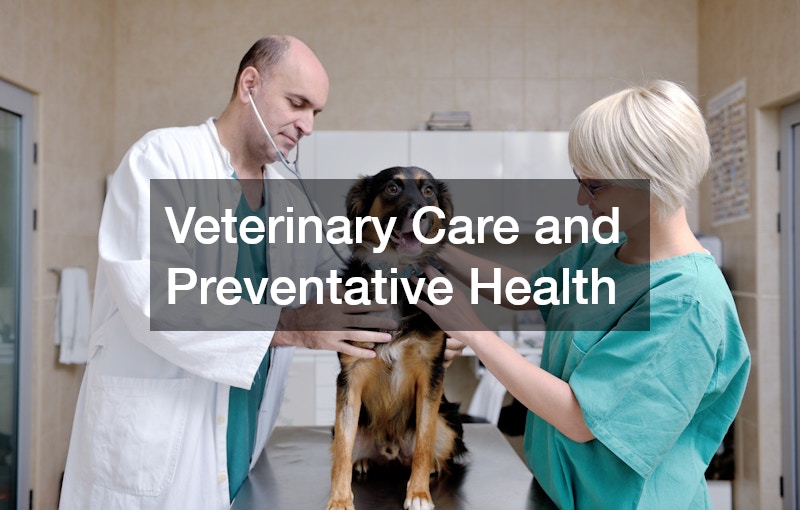
Veterinary Care and Preventative Health
Routine Checkups
Regular visits to an emergency veterinarian or primary veterinary clinic are essential for early detection of health concerns. Routine checkups identify problems before they become severe.
Timely interventions prevent small issues from escalating into emergencies.
Vaccinations and Preventive Measures
Vaccinations, flea and tick prevention, and heartworm protection safeguard dogs against common diseases and parasites.
Professional veterinary guidance ensures that preventative care is administered correctly and on schedule.
Emergency Preparedness
Knowing when to seek urgent care can be lifesaving. Establishing relationships with an emergency veterinarian ensures prompt access to treatment during critical situations.
Owners gain peace of mind knowing their pet is supported in emergencies.
Chronic Condition Management
For dogs with chronic illnesses, regular veterinary oversight ensures proper management of medications, therapies, and lifestyle adjustments.
Consistent monitoring promotes comfort, longevity, and quality of life.
Therapeutic and Emotional Support
Benefits of Animal-Assisted Activities
Dogs often thrive when given opportunities for emotional engagement and therapeutic interactions. Activities that combine gentle physical exercise with mental stimulation promote well-being and reduce stress.
Pet therapy programs provide structured experiences where dogs interact with humans in therapeutic settings, boosting confidence and emotional stability.
Stress Reduction and Mental Health
Participating in calming activities reduces anxiety and helps dogs feel secure in their environment. Routine engagement in positive experiences supports mental health and emotional resilience.
Therapeutic interactions help prevent stress-related behaviors such as excessive barking, chewing, or withdrawal.
Encouraging Social Connections
Dogs benefit from social interaction not just with people, but with other animals in controlled environments. Positive social experiences build confidence and improve adaptability.
Structured therapy sessions allow dogs to practice social cues while maintaining a safe and supportive setting.
Long-Term Emotional Stability
Consistent exposure to therapeutic activities helps maintain emotional balance throughout a dog’s life. Dogs learn to handle new situations calmly, improving overall happiness.
Well-adjusted dogs are less likely to develop behavioral challenges and are more responsive to training and care.
Boarding and Temporary Care

Reliable Overnight Care
When owners travel or are unavailable, pet boarding services provide safe and supervised care. Boarding facilities ensure that dogs continue to receive exercise, meals, and attention while away from home.
Trusted facilities maintain routines similar to home life, reducing stress for the dog.
Social and Physical Activity
Boarding centers often offer playtime, socialization, and activities that keep dogs engaged and active during their stay.
This structured environment helps maintain physical health and reduces behavioral problems caused by boredom or isolation.
Health Monitoring During Stays
Professional boarding services monitor dogs for health issues, ensuring timely intervention if problems arise. Staff are trained to identify signs of illness or discomfort and act appropriately.
Veterinary support at boarding facilities adds an extra layer of safety.
Familiarity and Comfort
Maintaining consistent routines and familiar items like toys or bedding helps reduce stress during boarding.
A supportive boarding environment ensures that dogs remain comfortable, happy, and secure while their owners are away.
Safety and Emergency Preparedness
Emergency Planning
Every dog owner should have an emergency plan in place for medical issues, natural disasters, or accidents. Having contact information for an emergency veterinarian is essential.
Preparedness ensures timely responses to urgent situations and helps safeguard a dog’s life.
First Aid Knowledge
Owners who are familiar with basic canine first aid can provide immediate care while seeking professional help. Knowledge of CPR, wound care, and choking responses can save lives.
Combining owner preparedness with professional support ensures maximum safety.
Home Safety Measures
Dogs benefit from a safe living environment free from hazards like toxic plants, sharp objects, or unstable furniture. Preventative measures reduce the risk of accidents.
A safe home environment protects both physical and emotional well-being.
Monitoring Health Changes
Keeping an eye on subtle changes in behavior, appetite, or activity level helps detect potential issues early. Timely veterinary consultations prevent minor concerns from becoming emergencies.
Early detection promotes long-term health and reduces the risk of chronic conditions.
Hydration and Swimming Activities
Encouraging Water Play
Dogs benefit from safe water activities, especially those who enjoy swimming. Pools and shallow water areas provide low-impact exercise and mental stimulation.
Dog swimming pools offer a controlled environment where dogs can swim safely under supervision.
Cooling Off and Exercise
Swimming helps dogs stay cool during warm weather while providing a full-body workout. Regular water exercise supports cardiovascular health and strengthens muscles.
It is especially beneficial for dogs with arthritis or joint sensitivities.
Safety Measures in Water
Proper supervision and safety equipment, such as life vests for dogs, prevent accidents during water activities.
Professional guidance ensures that swimming remains a fun and safe activity for dogs of all ages.
Mental Stimulation Through Play
Water activities also provide cognitive challenges, such as retrieving toys or navigating obstacles.
Combining physical and mental stimulation promotes overall happiness and well-being.
Grooming and Regular Hygiene
Maintaining Coat and Skin Health
Regular grooming prevents mats, tangles, and skin infections. Brushing distributes natural oils, keeping the coat healthy and shiny.
Routine attention also allows owners to check for lumps, ticks, or other anomalies.
Bathing and Cleaning
Scheduled baths help reduce odor, remove dirt, and maintain hygiene. Using dog-specific shampoos protects sensitive skin while keeping the coat clean.
Grooming routines support overall health and comfort.
Dental Care
Oral hygiene is crucial to prevent dental disease, bad breath, and systemic health issues. Brushing teeth and providing dental chews maintain oral health.
Healthy teeth and gums contribute to overall wellness and longevity.
Nail Trimming and Paw Care
Regular nail trimming prevents discomfort and injury. Paw care also protects against cuts, infections, and irritation from rough surfaces.
Proper grooming routines enhance mobility and overall physical comfort.
Comprehensive Wellness and Preventative Services
Health Assessments
Routine evaluations with pet wellness services ensure that dogs receive holistic care. Comprehensive assessments identify potential health issues and guide preventative measures.
Wellness programs include physical exams, nutritional guidance, and activity recommendations tailored to each dog.
Vaccination and Parasite Prevention
Keeping vaccinations up to date and protecting against fleas, ticks, and heartworm is essential for long-term health.
Preventative care minimizes the risk of disease and reduces the need for emergency interventions.
Lifestyle Recommendations
Wellness services offer guidance on exercise, diet, and enrichment activities, supporting mental and physical health.
Tailored lifestyle strategies optimize well-being and enhance quality of life.
Owner Education
Educating owners about signs of illness, behavioral cues, and preventive care empowers them to make informed decisions.
Knowledgeable owners contribute to the long-term happiness and health of their dogs.
Creating a happy and healthy life for a dog requires attention to their physical, mental, and emotional needs. By providing proper nutrition, regular exercise, socialization, and preventative care, owners can help their pets thrive.
Engaging with trained professionals, from trainers and daycare providers to veterinarians and wellness specialists, ensures that dogs receive expert care throughout their lives. Regular monitoring, safety measures, and therapeutic activities promote confidence, emotional stability, and overall well-being.
By integrating consistent training, proactive health care, and enriching experiences, owners foster a life filled with joy, vitality, and security for their furry companions. Prioritizing professional guidance and attentive care allows dogs to lead fulfilling, healthy lives while strengthening the bond between pet and owner.